Huperzine A
The most pharmacologically active ingredient here, sharing a mechanism with prescription Alzheimer's drugs — which is exactly why it cannot be combined with them.
Why Huperzine A Is in Memodyne
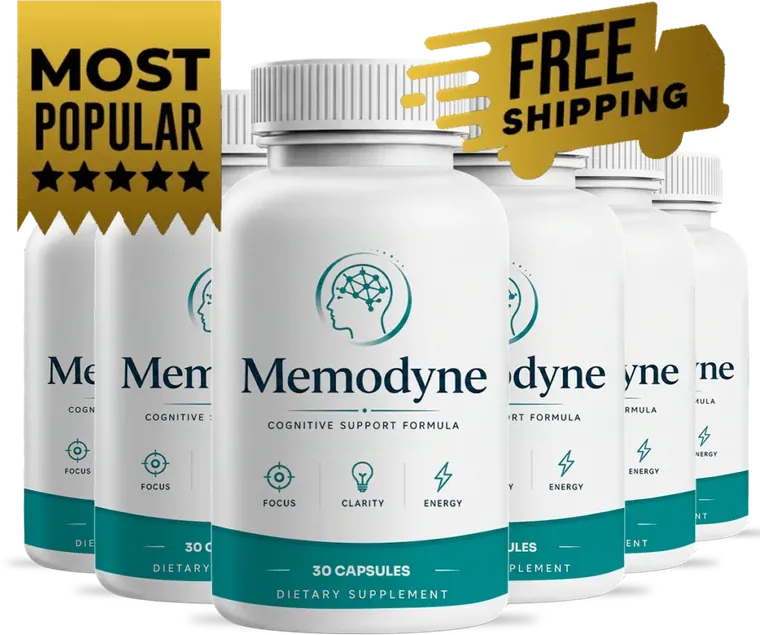
A plant alkaloid that inhibits the enzyme breaking down acetylcholine. Pharmacologically active and sharing a mechanism with prescription drugs. It is one of the six named ingredients in the Memodyne formula, and this page covers what it is, the general research context around it, its role here and the cautions attached to it.
Memodyne does not publish individual ingredient dosages
All six ingredients are named, which is more than many products in this category offer. What is not published on the sales page is how much of each one a capsule contains.
That matters, because effect depends on amount. Bacopa research uses defined daily doses of standardised extract; huperzine A is active at microgram level; phosphatidylserine trials commonly used around 300mg. Without figures, none of it can be compared to what is actually in the bottle. No milligram amounts appear anywhere on this website, because inventing them would be worse than leaving them out.
What Huperzine A in Memodyne Is
Huperzine A is an alkaloid originally isolated from Chinese club moss, Huperzia serrata, a plant used in traditional Chinese medicine. Most supplemental huperzine A today is produced synthetically.
It is worth being clear about what kind of ingredient this is. Huperzine A is not a nutrient or a general botanical extract — it is a specific compound with a defined pharmacological action, active at microgram rather than milligram doses. That potency is precisely why the missing dosage information matters more for this ingredient than for most.
The Research Context Behind Huperzine A in Memodyne
Huperzine A inhibits acetylcholinesterase, the enzyme that breaks down acetylcholine after it has acted at the synapse. Inhibiting it means acetylcholine — the neurotransmitter most associated with memory and attention — remains available for longer.
That is the same mechanism used by several prescription drugs for Alzheimer's disease, and in China huperzine A itself has been used as an approved treatment for cognitive impairment.
Research has largely focused on Alzheimer's disease and age-related cognitive decline, where reviews of mostly Chinese trials have reported improvements, though methodological quality has frequently been criticised. Evidence in healthy adults seeking better memory is much more limited.
Sharing a mechanism with a prescription drug is not the same as being one, and it is emphatically not evidence that this formula treats any condition. Memodyne is a dietary supplement and is not a treatment for dementia or memory loss.
Why Huperzine A Is Included in Memodyne
It carries the acetylcholine pathway, which is the formula's most mechanistically defined element. Alongside bacopa's memory research it forms the core of the product's memory positioning.
Research has typically used between 50mcg and 400mcg daily, and effects vary meaningfully across that range. Without a published figure there is no way to know where this formula sits within it — a particularly relevant gap for a compound active at microgram level.
Many users of huperzine A cycle it, taking it for a period then pausing, on the reasoning that continuous enzyme inhibition may lead to diminishing returns. The product materials do not mention cycling, and it is a reasonable thing to ask a pharmacist about.
Safety and Interactions for Huperzine A in Memodyne
The interaction that matters most. Do not combine huperzine A with cholinesterase inhibitors without medical supervision. That includes the prescription Alzheimer's medications donepezil (Aricept), rivastigmine (Exelon) and galantamine. Taking two things that inhibit the same enzyme can produce additive cholinergic effects.
This carries a particular weight for this product. Someone caring for a family member on donepezil might reasonably assume a memory supplement would help — and this combination is specifically the one to avoid without a doctor's involvement.
Other safety notes. Reported side effects include nausea, sweating, dizziness, blurred vision, restlessness and, less commonly, a slowed heart rate. Caution is advised for anyone with a heart condition, epilepsy, asthma or a gastrointestinal ulcer, and it should be discontinued before surgery because it may interact with anaesthetic agents.
It is not recommended during pregnancy or nursing.
How to read the research on this Memodyne page
The studies described here examined individual ingredients, usually on their own, at doses set by the researchers, in specific groups of people. That research provides scientific context for why an ingredient is included in a formula.
It does not demonstrate that the finished Memodyne product produces the same outcomes. No clinical trial of this finished formula has been published, so nothing on this website should be read as clinical proof of the product itself.
If you are worried about your memory
Memory changes that are getting worse, interfering with daily life, or worrying the people around you deserve a proper medical assessment rather than a supplement. Several causes — thyroid problems, B12 deficiency, medication side effects, depression, sleep apnoea — are treatable when identified early.
Memodyne is not a treatment for memory loss, dementia or Alzheimer's disease, and this website does not present it as one. If someone in your life is showing memory changes, please encourage them to see a doctor.
Related Memodyne Reading
The main ingredients page sets out how all six work together, and how Memodyne works explains the five pathways and their limits in more depth.
Memodyne and medication: this check is not optional
Two ingredients in this formula carry serious, well-documented interactions. The seller states them openly, and this website repeats them rather than burying them.
- St. John's Wort interacts with SSRIs and other antidepressants, blood thinners, oral contraceptives, immunosuppressants, some HIV and cancer medications, and many other prescription drugs. It speeds up how the body clears certain medicines, which can make them stop working. Combined with an SSRI it can also contribute to serotonin syndrome, which is a medical emergency.
- Huperzine A interacts with cholinesterase inhibitors such as donepezil and rivastigmine — the drugs prescribed for Alzheimer's disease.
- Ginkgo biloba may increase bleeding risk alongside anticoagulant and antiplatelet medication, and before surgery.
If you take any prescription medication, talk to your doctor or pharmacist before your first capsule and show them the label. If you take an oral contraceptive, note that St. John's Wort can reduce its effectiveness.
More Memodyne Ingredients
Ginkgo Biloba
One of the most studied botanicals in the world, examined mainly around cerebral blood flow and cognition, with genuinely mixed results and a real bleeding-risk consideration.
Mood supportSt. John's Wort Extract
A well-studied herb for low mood, and the ingredient in this formula with the most serious and wide-ranging drug interactions.
Memory consolidationBacopa Monnieri
The most studied botanical for memory retention, with effects that build over eight to twelve weeks rather than appearing quickly.
Mitochondrial energyN-Acetyl L-Carnitine HCl
An acetylated form of carnitine studied for its role in mitochondrial energy production within neurons, without stimulant activity.
Make Memodyne Part of Your Daily Routine
One capsule a day with water, ideally in the morning before a meal, alongside the sleep, movement and mental engagement that do the heavier lifting for cognitive wellness. Six named ingredients, no stimulants, and a 60-day money-back guarantee on every order.
From $49 per bottle · No subscription · Free shipping on 3 and 6 bottles · 60-day guarantee