St. John's Wort Extract
A herb with genuine evidence for low mood, and by a distance the most interaction-prone ingredient in this formula. Read this page carefully.
Why St. John's Wort Is in Memodyne
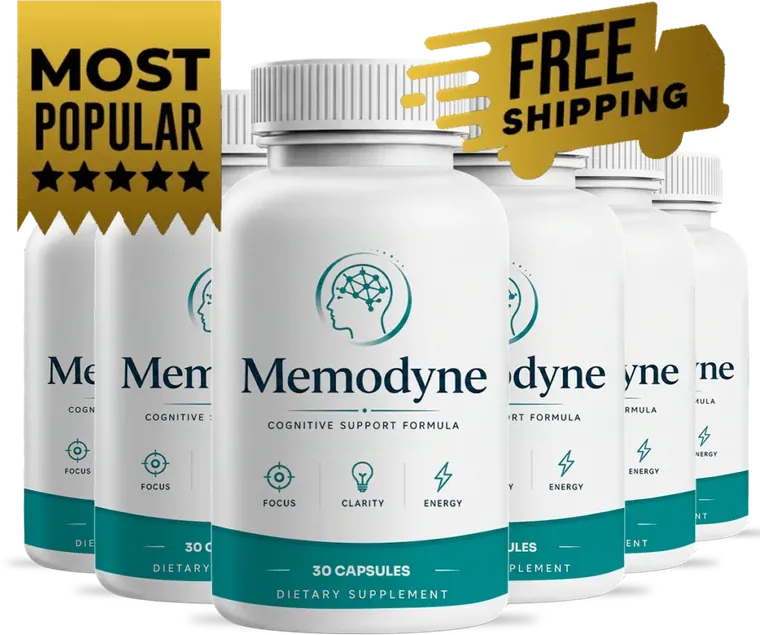
A well-studied herb for low mood, and the ingredient in this formula with the most serious and wide-ranging drug interactions. It is one of the six named ingredients in the Memodyne formula, and this page covers what it is, the general research context around it, its role here and the cautions attached to it.
Memodyne does not publish individual ingredient dosages
All six ingredients are named, which is more than many products in this category offer. What is not published on the sales page is how much of each one a capsule contains.
That matters, because effect depends on amount. Bacopa research uses defined daily doses of standardised extract; huperzine A is active at microgram level; phosphatidylserine trials commonly used around 300mg. Without figures, none of it can be compared to what is actually in the bottle. No milligram amounts appear anywhere on this website, because inventing them would be worse than leaving them out.
What St. John's Wort in Memodyne Is
St. John's wort is Hypericum perforatum, a yellow-flowered plant found across Europe and beyond, named for its flowering around St. John's Day in late June.
Its compounds of interest include hypericin and hyperforin. Hyperforin in particular is the one responsible for most of the drug interactions described below, because it activates enzyme systems in the liver that clear medications from the body.
In several European countries it is regulated as a medicine for mild to moderate depression rather than sold as a supplement, which reflects both its activity and the caution it warrants.
The Research Context Behind St. John's Wort in Memodyne
This is one of the better-evidenced botanicals in the world, and that deserves acknowledgement.
Cochrane reviews of St. John's wort for major depression have found it comparable to standard antidepressants for mild to moderate symptoms, with fewer side effects in the trials examined. That is an unusually strong result for a herbal preparation.
Important context for this product: that research concerns depression, studied at defined daily doses of standardised extract, in people with diagnosed symptoms. It is not research on cognitive enhancement in healthy adults.
The connection to a cognitive formula is indirect but real: low mood measurably affects concentration, motivation and memory, so supporting mood can support cognition. That is a reasonable inference rather than a demonstrated finished-product effect.
Why St. John's Wort Is Included in Memodyne
It carries the formula's mood pathway, on the reasoning that mood and cognitive function are connected.
It is worth being direct about the trade-off this inclusion creates. It brings the best mood evidence available in a botanical, and it also makes the entire product unsuitable for a large number of people — anyone on antidepressants, anticoagulants, hormonal contraception, immunosuppressants, certain heart medications, HIV or cancer treatments, and more besides.
The amount is not published, which matters here as much as anywhere: depression trials used defined doses of standardised extract, and interaction severity relates to hyperforin content.
Safety and Interactions for St. John's Wort in Memodyne
This is the most important section on this entire website.
St. John's wort induces cytochrome P450 enzymes and the P-glycoprotein transporter, which means it speeds up how the body clears a wide range of medicines — and can make them stop working.
Documented interactions include: SSRIs and other antidepressants, where the combination risks serotonin syndrome, a potentially life-threatening condition; oral contraceptives, where reduced effectiveness and breakthrough bleeding are well documented; warfarin and other anticoagulants; immunosuppressants including ciclosporin and tacrolimus, where transplant rejection has been reported; certain HIV antiretrovirals; some cancer treatments; digoxin; and anticonvulsants.
It can also cause photosensitivity — increased sensitivity to sunlight — and should be stopped before surgery.
Do not start this or any St. John's wort product without speaking to your doctor or pharmacist if you take any prescription medication. If you rely on hormonal contraception, this conversation is essential rather than advisable. And do not stop a prescribed antidepressant in order to take a supplement instead.
How to read the research on this Memodyne page
The studies described here examined individual ingredients, usually on their own, at doses set by the researchers, in specific groups of people. That research provides scientific context for why an ingredient is included in a formula.
It does not demonstrate that the finished Memodyne product produces the same outcomes. No clinical trial of this finished formula has been published, so nothing on this website should be read as clinical proof of the product itself.
Related Memodyne Reading
The main ingredients page sets out how all six work together, and how Memodyne works explains the five pathways and their limits in more depth.
Memodyne and medication: this check is not optional
Two ingredients in this formula carry serious, well-documented interactions. The seller states them openly, and this website repeats them rather than burying them.
- St. John's Wort interacts with SSRIs and other antidepressants, blood thinners, oral contraceptives, immunosuppressants, some HIV and cancer medications, and many other prescription drugs. It speeds up how the body clears certain medicines, which can make them stop working. Combined with an SSRI it can also contribute to serotonin syndrome, which is a medical emergency.
- Huperzine A interacts with cholinesterase inhibitors such as donepezil and rivastigmine — the drugs prescribed for Alzheimer's disease.
- Ginkgo biloba may increase bleeding risk alongside anticoagulant and antiplatelet medication, and before surgery.
If you take any prescription medication, talk to your doctor or pharmacist before your first capsule and show them the label. If you take an oral contraceptive, note that St. John's Wort can reduce its effectiveness.
More Memodyne Ingredients
Ginkgo Biloba
One of the most studied botanicals in the world, examined mainly around cerebral blood flow and cognition, with genuinely mixed results and a real bleeding-risk consideration.
Memory consolidationBacopa Monnieri
The most studied botanical for memory retention, with effects that build over eight to twelve weeks rather than appearing quickly.
Mitochondrial energyN-Acetyl L-Carnitine HCl
An acetylated form of carnitine studied for its role in mitochondrial energy production within neurons, without stimulant activity.
Acetylcholine protectionHuperzine A
A plant alkaloid that inhibits the enzyme breaking down acetylcholine. Pharmacologically active and sharing a mechanism with prescription drugs.
Make Memodyne Part of Your Daily Routine
One capsule a day with water, ideally in the morning before a meal, alongside the sleep, movement and mental engagement that do the heavier lifting for cognitive wellness. Six named ingredients, no stimulants, and a 60-day money-back guarantee on every order.
From $49 per bottle · No subscription · Free shipping on 3 and 6 bottles · 60-day guarantee